Designing for the Mediterranean Climate
What Actually Works in a Costa del Sol Home, Year-Round
There is a big difference between a home that looks Mediterranean and one that actually functions in a Mediterranean climate. The first is a styling exercise. The second is a design discipline, and it is the one that decides whether a property feels good to live in when the temperature reaches 40 degrees in summer or drops to 8 degrees on a damp January evening.
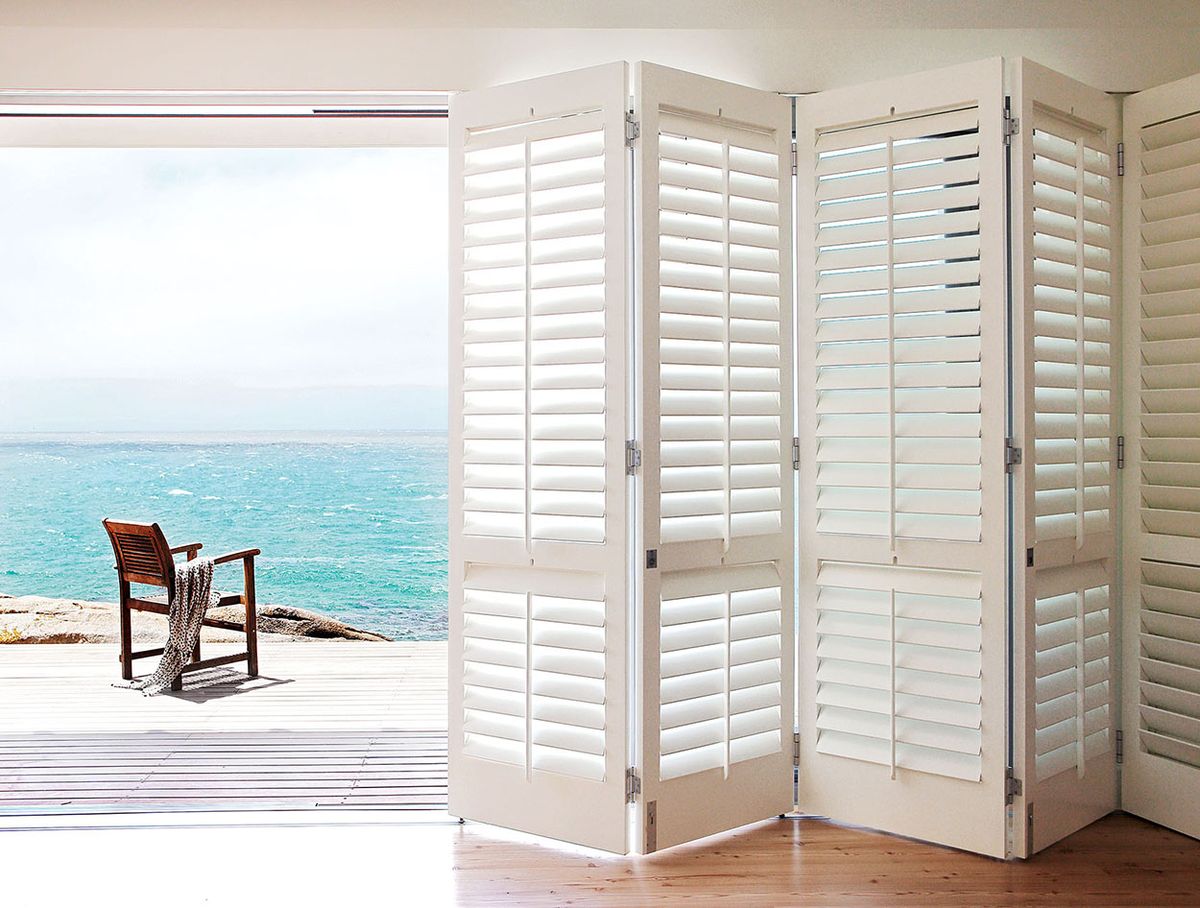
Most of what gets written about Mediterranean interiors focuses on the look: lime-washed walls, linen drapes, terracotta floors, woven pendants. All of which can be beautiful, and all of which can also fail completely if the underlying decisions about how heat, light and air move through the house are wrong. A Costa del Sol home is a building working against the climate for half the year and with it for the other half, and the design has to acknowledge both.
What follows is what genuinely works on the coast, across both seasons. The principle that connects everything is the same: work with the climate rather than against it.
Cooling: Designing for the Heat
A Costa del Sol summer pushes a building on two fronts. The air temperature itself can climb above 40 degrees, and once the sun has heated the walls, windows and floors, no amount of air conditioning will bring it back down cheaply. The job of good design is to stop the heat from getting in, then help it leave when the air cools at night. Everything else is detail.
Window Dressing: Outside Wins, Inside Loses
The first instinct most foreign buyers have when their home gets too hot is to install thick blackout curtains. It feels logical. In practice, it is the wrong end of the problem. Once the sun has hit the glass, the heat has already entered the room. Heavy interior fabrics then trap that heat in a pocket against the window, which is why a room with closed blackout curtains in August can feel hotter than one with the windows open.
The Spanish solution, refined over centuries, is external shutters. Persianas, the rolling slat shutters fitted on most coastal buildings, block the sun before it reaches the glass. Used properly (closed in the morning on east-facing windows, closed in the afternoon on west-facing ones) they keep a room measurably cooler than any interior curtain can. Inside, light and airy curtains in linen, cotton or sheer fabrics let the room breathe without fighting the climate.
Combine the two and the cooling job is two-thirds done before air conditioning enters the conversation. For anyone replacing windows during a renovation, modern glazing with UV-filtering treatment adds another layer of protection by blocking heat-generating solar radiation at the glass itself, before it has the chance to enter the room at all.
Bare Floors and the Airflow Gap
Natural stone, porcelain tile and microcement stay cooler than air for most of the year, which is why traditional Spanish homes have hard floors and why those floors are usually left bare. Carpets and large wall-to-wall rugs trap heat and humidity against the floor surface and undo the work the material was supposed to do. In a coastal home, a rug is a styling tool to anchor furniture, not a floor covering. Use natural-fibre rugs like jute or sisal to define seating areas, but leave most of the floor exposed. The bare floor is what keeps the room feeling cool.
The same principle applies to furniture itself. Heavy, low pieces that sit flat against the floor block air circulation and trap humidity against the surface. Furniture raised on legs, with a gap of around fifteen centimetres underneath, lets the coolest air (which always settles at floor level) move freely across the room. It is one of the smallest design decisions that makes the biggest temperature difference.
Upholstery and Natural Fibres
Synthetic fibres are a mistake in a Mediterranean climate. Polyester, nylon and acrylic act like plastic wrap, trapping heat and humidity against the skin and against the furniture itself. A sofa upholstered in synthetic fabric will feel uncomfortable in summer and will hold onto moisture from sea air in winter, which contributes to the wider damp problem.
Natural fibres do the opposite. Linen, cotton, hemp and wool breathe, regulate temperature and feel right in the heat. The same goes for bedding. Even a 20 per cent polyester blend will compromise a fabric's ability to breathe, so the composition tag is worth checking before any soft furnishing purchase. In a coastal home, fabric is doing technical work as well as decorative work, and the wrong choice quietly degrades the comfort of the whole room.
Mineral Paint: Walls That Breathe
Standard acrylic interior paints are essentially plastic. They seal the wall surface, which prevents moisture from passing through and contributes to the damp problems that plague Costa del Sol homes through the winter. They also do nothing to regulate temperature.
Mineral-based finishes, particularly lime wash and clay paint, are the traditional Andalucían answer. They allow walls to breathe, naturally regulate humidity and have antibacterial properties that act as a deterrent against the coastal dampness that builds up between October and March. The look is softer and more textured than acrylic, with subtle depth that flat paint cannot replicate. For anyone planning a renovation, specifying mineral paint is one of the highest-impact decisions for both summer comfort and winter resilience, and it pairs naturally with breathable wall finishes like microcement.
Designing the Breeze
A well-designed coastal home prioritises natural cross-ventilation. The Mediterranean breeze is one of the most powerful cooling tools available, and it is free. The design problem is making sure the air can actually move through the space once it arrives.
That means treating the path between windows and doors as an invisible piece of architecture. Tall, solid furniture (bookshelves, cabinets, wardrobes) should never sit near windows or block the pathway between two openings on opposite walls. Even a sofa positioned wrong can break the cross-ventilation in a room. Layouts that open up the diagonal between facing windows let the breeze do its job. Closed-off rooms with windows on only one wall do not get this benefit, which is part of why Spanish apartments designed before the 1990s often feel hotter than they should.
The morning lockdown
The Spanish habit of "the morning lockdown" is the other half of cross-ventilation design. Open everything overnight to let the cool air in, then close everything (windows, shutters, doors) at the moment the air starts to warm. The cool air gets trapped inside for hours. It is a behaviour pattern, but it only works if the layout supports it.
Heating and Damp: The Winter Reality
Winters on the Costa del Sol are mild on paper. Daytime temperatures are often around 18-21 degrees as the sun shines most days. The problem is that the indoor reality rarely matches the outdoor one. A Costa del Sol home in January can feel colder inside than outside, and most foreign buyers are not prepared for it.
Why Southern Spanish Homes Feel Cold
This is largely a regional issue. Central and northern Spain, where winters are properly cold, has a long tradition of building for the cold: thicker walls, better insulation, central heating systems, double or triple glazing. The cultural and structural expectation is that houses need to keep heat in.
Southern Spain is different. The Costa del Sol building stock is dominated by properties designed as holiday homes, originally built for warm-weather use and then progressively occupied year-round. The walls are often single brick with no insulation. Windows are frequently single-glazed aluminium without thermal break. Floors are tile, which is excellent for summer but transmits cold in winter. And critically, central heating is rare. The default heating system is whatever portable solution the owner has bought to plug a gap that the building was never designed to fill.
The result is what every long-term coastal resident knows: a building that performs brilliantly in summer can feel like a fridge in January, and the source of the cold is the building itself, not the weather outside.
How Costa del Sol Homes Actually Get Heated
For the foreign buyer trying to make sense of the heating market, the practical reality on the coast is shorter than they expect. Three options dominate, with a fourth emerging fast for renovation projects.
- —Split air conditioning units in heat mode. Almost every modern AC installation on the coast is a heat pump, so the same units that cool the room in August can heat it in January. Reasonably efficient, instantly responsive, no construction work to install. The catch is that they only heat the room they are in.
- —Portable electric radiators. The most common stop-gap solution, particularly in rental properties, second homes and older flats. They work, but they are expensive to run and only heat one space at a time. The default for tenants and short-stay owners, rarely the answer for a permanent home.
- —Underfloor heating. The increasingly preferred option for renovations. Invisible, distributes heat evenly across a whole room and pairs naturally with the tile and microcement floors that dominate Costa del Sol interiors. More economical to run than portable electric heaters, particularly when combined with an aerothermal heat pump system.
Aerothermal heating is the rising standard on the coast and the most efficient option available. The system uses a heat pump to extract energy from the outside air, then circulates that energy as heated water through the underfloor system in winter. In summer the same setup reverses to provide cooling. One installation, two seasonal functions, lower running costs than direct electric heating across both. This is the direction premium renovations on the coast are moving in, and it is reshaping how heating is designed into Costa del Sol homes during a major refurbishment.
Damp and Mould: The Silent Winter Problem
Heating is only half the winter problem. Damp is the other half, and it does more long-term damage to a coastal home than the cold itself.
The Costa del Sol has high winter humidity, regular Mediterranean rain in November through March and a building stock that does not breathe well. Without active management, damp accumulates in poorly ventilated rooms (especially bathrooms and bedrooms with windows kept closed), mould appears on north-facing walls, fabrics smell musty and the entire home feels colder than the thermometer suggests. Damp air feels colder than dry air at the same temperature.
The design responses are simple but rarely planned for:
- —Mineral paints that regulate humidity
- —Cross-ventilation maintained even in winter (a few minutes of fully open windows each morning makes more difference than people expect)
- —Natural fabrics that do not hold moisture
- —Furniture not pushed flat against external walls
- —A dehumidifier in the rooms most prone to it, running quietly through the winter months
None of these solutions are visible in a finished interior, but together they decide whether a coastal home is genuinely comfortable through the winter or just survivable.
The Renovation Fixes
The deeper fixes for the winter problem are structural and only realistic during a renovation. Three major upgrades close the biggest gaps:
- —Window replacement. Single-glazed aluminium windows without thermal break are the single biggest source of heat loss. Replacing them with thermal-break aluminium and double or triple glazing transforms the indoor climate.
- —Wall insulation (trasdosados). Adding insulation to the interior face of external walls, particularly for north-facing walls which never get the benefit of winter sun.
- —Ceiling insulation. Under the roof of top-floor apartments and villas. Closes the third major gap that drives winter heat loss upward and out.
For anyone considering buying a property to renovate, these are the works that quietly make the difference between a home that needs constant active heating in winter and one that holds its temperature on its own. They cost more upfront and they are entirely invisible in the finished result. Both are reasons they get cut from renovation budgets, and both are reasons they should not be.
Designing With the Climate, Not Against It
The thread running through everything above is that climate-led design is a technical discipline, not an aesthetic one. The right window treatment, the right paint, the right upholstery, the right floor finish, the right heating system, the right layout for natural ventilation: these are decisions made before the first piece of furniture is chosen and the first cushion is bought. They do not show up in the photographs of the finished home, but they decide whether the home feels comfortable to live in across all four seasons.
This is what good design on the Costa del Sol actually means. Not Mediterranean as a style brief, but Mediterranean as a working environment. A home that respects the climate it sits in, uses traditional regional materials for the reasons they evolved and integrates modern systems where they earn their place.
If you are planning a renovation or designing a Costa del Sol home from scratch and want a designer's perspective on what genuinely works in this climate, we can help. Get in touch at gosia@thedreamspaces.com or fill in a 2-minute form to get a conversation going.

Gosia Szwed-Pruvot
Founder, The Dream Spaces
I am the founder of The Dream Spaces, an interior design studio in Málaga working with foreign buyers across the Costa del Sol. The studio specialises in design-led properties that perform commercially, from holiday lets to mid-term rentals to private homes.
This article reflects general design principles for the Mediterranean climate and Costa del Sol building stock as of June 2026. Every property has its own orientation, building age and structural constraints, so specific choices will vary. The principles above are intended as a general guide for foreign buyers and owners on the Costa del Sol, not as technical advice for specific properties. For project-specific decisions, always consult a qualified architect, designer or building engineer familiar with the local context.