How Much Does It Cost to Renovate a Property on the Costa del Sol? An Honest Breakdown
The single most asked question we get from buyers on the Costa del Sol. Real numbers, broken down by room, with two example projects to compare against.
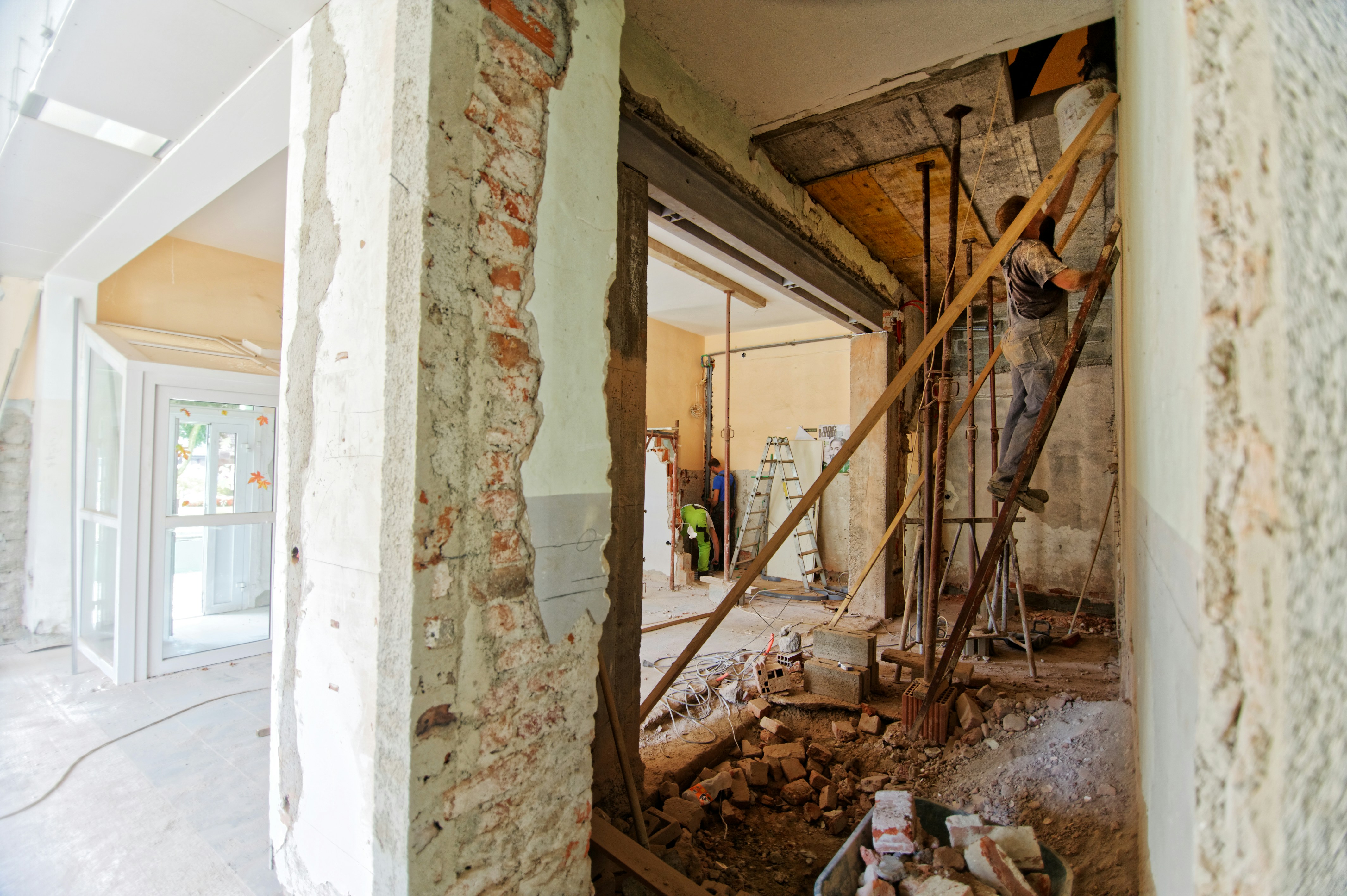
You found the apartment. You signed the papers. The keys are in your hand. Then you walk in, look at the 1990s tiled bathroom and the kitchen that has not been touched since the previous owner moved in, and reality lands. The cost of buying a property on the Costa del Sol almost never ends with the purchase. Most homes in this region need work, and that work is rarely small.
This is the question we get asked more than any other: how much does a renovation actually cost?
The honest answer is that it depends, but "it depends" is a useless answer when you are trying to plan a budget. So this article gives you real numbers, broken down by room, with two example projects you can compare against. We have skipped the price-per-square-metre approach because that is how contractors quote, not how clients think. You think in rooms. We think in rooms.
The quick answer
A mid-range renovation of a typical 2-bed 75sqm apartment on the Costa del Sol will land somewhere between €60,000 and €90,000 including all trades, materials and basic finishes. A mid-range renovation of a 4-bed 150sqm house with structural work will land between €135,000 and €200,000.
Then, you should also consider costs for the licencia de obras, VAT, furnishings, designer fee and a contingency. If you go through a deep renovation, then also add the cost of temporary accommodation.
If those numbers feel high, keep reading. If they feel low, you have probably had a quote already.
What "mid-range" actually means
Before the room-by-room breakdown, a definition. When we say mid-range, we mean:
- —New kitchen with quality cabinetry, stone or quartz worktop, mid-tier appliances
- —Bathrooms fully refitted with new sanitaryware, decent tile or microcement, walk-in showers
- —New flooring throughout (porcelain or engineered wood, not luxury vinyl)
- —Full repaint with proper preparation
- —New interior doors
- —Updated electrics where needed, new lighting plan
- —Replumbing of bathrooms and kitchen
- —Some layout adjustments where possible
It is not luxury. It is not investor-grade cheap. It is the level most expat clients land at when they want a home that looks good, works properly, and will not need redoing in five years.
Cost per room
These are realistic ranges for the Costa del Sol in 2026. Numbers include labour and materials at mid-range quality. They do not include furnishing, designer fees or licences (covered separately below).
Kitchen: €12,000 to €30,000+
A typical apartment kitchen at mid-range quality starts around €12,000 to €20,000. That gets you a well-built modular kitchen from a Spanish brand, quartz or compact worktop, integrated mid-tier appliances (Bosch, Balay, Siemens), and a decent backsplash.
Move up to €20,000 to €30,000 and you are looking at semi-custom cabinetry, better appliances, an island or peninsula, statement lighting, and finer detailing on the worktop and splashback.
Above €30,000 you are in custom carpentry territory: bespoke cabinets in real wood or lacquered finishes, premium appliances (Miele, Gaggenau), porcelain slab worktops and integrated wine fridges. This is where a lot of holiday homes on the Costa del Sol end up.
What drives the cost up: cabinet finish (lacquered and veneered cost more than melamine), worktop material (porcelain slabs and natural stone are pricier than quartz), appliance brand, whether you are reconfiguring plumbing and gas, and how much custom carpentry is involved.
Bathroom: €6,000 to €18,000+
A standard apartment bathroom done well sits at €6,000 to €12,000. That covers stripping out, replumbing, new sanitaryware, walk-in shower with quality glass, mid-range tile, vanity unit, and decent fittings.
A mid-to-high bathroom at €12,000 to €18,000 brings in better tile (large format, statement patterns, or which has become the most requested finish on the coast), fitted vanity, underfloor heating, niche shelving, and higher-end fittings (Hansgrohe, Grohe Spa, Gessi).
Above €18,000 and you are into full luxury territory: stone slabs, freestanding baths, smart toilets, custom carpentry, designer brassware.
What drives the cost up: tiling area and complexity, whether you keep the existing layout or move plumbing, glass shower screens (frameless costs significantly more), and the brassware brand.
Everything else (living areas, bedrooms, hallways)
The kitchen and bathrooms get the headlines, but the rest of the property carries its own significant costs. These are the line items that surprise first-time renovators because they sit outside the kitchen and bathroom budgets but still add up fast.
Flooring is usually the largest single line outside kitchen and bathrooms. Porcelain tile costs €40 to €80 per sqm installed at mid-range. Engineered wood runs €60 to €120 per sqm installed. For a 75sqm apartment that is €4,000 to €9,000 just for floors.
Painting and surface preparation is rarely a quick job in older Costa del Sol properties. Walls often need filling, sanding and sealing before they can be painted properly, and ceilings sometimes need replastering. Budget €2,500 to €5,000 for a 2-bed apartment, more if walls are in poor condition.
Interior doors typically cost €350 to €600 each installed at mid-range quality. A typical 2-bed apartment with open-plan living needs around 4 to 5 doors. Solid wood and pivot doors cost considerably more.
Electrics and lighting is where older properties bite. Apartments built before the 2000s often need full or partial rewiring to meet current Spanish regulations and to support modern appliance loads. Rewiring a 2-bed apartment runs €4,000 to €8,000. The lighting fixtures themselves (the difference between a flat ceiling spotlight grid and a layered, properly designed lighting scheme) can range from €1,500 to €8,000 depending on the design.
Plumbing updates are needed in most older properties even if you keep the layout. Old galvanised steel pipes are still common and they need replacing. Budget €2,000 to €4,000 for a typical apartment, more if you are moving fixtures.
Built-in carpentry (wardrobes, fitted storage, dressing rooms) is its own line and easy to underestimate. A fitted wardrobe wall in a master bedroom is €2,500 to €5,000. A full dressing room in a larger property starts around €8,000 and goes up sharply.
Windows are a hidden cost in older properties. Original aluminium frames without thermal break leak heat in winter and let summer heat in. Replacement aluminium windows with thermal break run €600 to €1,200 per window installed. PVC is cheaper, premium aluminium brands (Cortizo, Technal) are higher. A typical 2-bed apartment with 4 to 5 windows and a terrace door is a €5,000 to €8,000 line item. A 4-bed house with 12 windows is €8,000 to €15,000.
Waste removal (skips, tip fees, council permits for skip placement) is usually €1,500 to €4,500 across a renovation depending on size and how much demolition is involved.
Example project 1: 75sqm 2-bed apartment, mid-range
A 2-bed apartment in a typical Costa del Sol building (1980s to 2000s) limits how much you can change. Load-bearing walls, restricted plumbing routes, and community of owners' rules mean structural work is usually minimal. You are working within the existing footprint.
Realistic budget breakdown:
Apartment renovation breakdown
Add VAT (10% on residential renovations of properties more than two years old, included in most contractor quotes but worth confirming), the licencia de obras (covered below), and a 10-15% contingency. Real total lands between €72,000 and €85,000.
Timeline: 8 to 14 weeks of construction, plus 4 to 6 weeks before that for design and supplier orders.
Example project 2: 150sqm 4-bed house, mid-range
A 4-bed house gives you more room to actually change things. Structural walls can sometimes come down, plumbing can be rerouted, layouts can be reconfigured. This is where renovation budgets stretch, but the value added stretches with them.
Realistic budget breakdown:
House renovation breakdown
Add VAT, licence, and contingency. Real total lands between €160,000 and €195,000.
Timeline: 4 to 10 months of construction (widely depends on the amount of structural changes), plus 6 to 12 weeks before that for design, technical project, supplier orders and Obra Mayor licence approval (which takes longer than Obra Menor, more on that below).
Designer fees: what they cost in Spain
Most architects and interior designers in Spain quote a percentage of the total project cost. Standard fees on the Costa del Sol sit between 8% and 15%, with 10-12% being the most common range for residential interior design. For a 4-bed mid-range renovation costing €143,500 in construction, that means designer fees of €14,000 to €22,000.
Some designers charge by the square metre, typically €40 to €120 depending on scope and seniority. Others quote a fixed project fee. Architects charge separately if you need a technical project for licensing, and that adds another €1,500 to €5,000 depending on complexity.
The design fees at The Dream Spaces are structured around a square-metre fee with a clear minimum and a four-stage payment schedule. That means a 150sqm 4-bed house design would be €7,500, paid in instalments. If you want to check the specifics, the has the full details.
The licencia de obras: what you cannot skip
Every renovation in Málaga, no matter how small it feels, is regulated. The Gerencia Municipal de Urbanismo is the body that grants permission, and the type of licence you need depends on what you are doing.
Obra Menor (minor works) covers cosmetic updates and non-structural work: replacing flooring, kitchens, bathrooms, painting, changing internal partition walls. This is what most apartment renovations need. The municipal tasa in Málaga is roughly 0.5% of the project budget with a minimum fee of €120, plus the ICIO (a separate tax on works) which adds another 2-4%. Total cost of an Obra Menor licence usually lands at 2-4% of your project budget. Approval takes a few weeks if your paperwork is clean.
Obra Mayor (major works) is required when you touch structural walls, change the building footprint, alter the facade, or modify load-bearing elements. It needs a technical project signed by an architect and submitted with the application. Tasa starts at €500 minimum and can reach 1.5% of project cost for larger schemes. Add the ICIO of 2-5% and you are looking at total licence costs of 3-6% of the project budget. Approval takes 2 to 4 months in Málaga, and crucially, the silencio administrativo (administrative silence) is negative for Obra Mayor. That means if the council does not respond, your licence is not automatically granted. You wait until you have it expressly approved.
A word of common sense
In practice, not every renovation involves the full licence process. A like-for-like kitchen swap, retiling a bathroom without moving the plumbing, repainting, replacing flooring or changing interior doors is often handled with a simpler declaración responsable or, in many cases, just done. That is the reality on the ground, and most contractors and homeowners on the coast operate this way for cosmetic work.
The line you do not want to cross is anything structural, anything that touches the facade, or anything that changes the footprint or use of the property. The moment you remove a wall, move plumbing or electrical risers, change windows on the facade, or alter the layout, you are in proper licence territory and you need it in writing before work starts.
Sanctions in Andalucía range from €3,000 to €60,000 for unlicensed structural work, and the council can order works to be paralysed mid-renovation or even demolished. There is also a resale problem: an unlicensed structural renovation will show up in due diligence when you eventually sell, and it can derail or devalue the transaction.
Things people forget to budget for
The renovation budget covers the building work and the kitchen and bathrooms. It does not cover furniture, soft furnishings, curtains, art, or styling. For a 2-bed apartment, expect to spend another €15,000 to €40,000 on these depending on quality.
If you go through a full renovation project, chances are you would not want to live there until the heavy work is done. Temporary accommodation for 2 to 4 months is a real cost that gets ignored. On the coast, mid-term rentals (the legal contrato de temporada) start from €1,500 per month and climb fast in season.
The community of owners (comunidad de propietarios) often has its own rules about working hours, weekend bans, and lift use. Some communities also need to formally approve certain works. Build that into your timeline.
Why renovating in Spain is doable, but not cheap
The Costa del Sol has had a renovation boom since 2022. Demand is high, qualified trades are stretched, and prices for materials have climbed faster than inflation. According to recent industry data, residential construction labour in Málaga sits around 7% above the Spanish national average, and renovation budgets on the coast run 30 to 50% higher than the Andalucía average because of the premium client base and the demand for higher-spec finishes.
That is the market. The honest takeaway is this: the biggest waste of money in a Spanish renovation is doing it twice. Cheap contractor, no licence, vague brief, hope it works out. Six months later you are paying again to fix what should have been done right the first time.
What gets you a renovation worth the money? A proper brief, a designer who has thought about your lifestyle, and a contractor who works to that plan.
If you have just bought a property in Spain and are trying to work out what your renovation actually needs to cost, we can help you make sense of it. Get in touch at gosia@thedreamspaces.com or fill in a 2-minute form to get a conversation going.

Gosia Szwed-Pruvot
Founder, The Dream Spaces
I am the founder of The Dream Spaces, an interior design studio in Málaga working with foreign buyers across the Costa del Sol. The studio specialises in design-led properties that perform commercially, from holiday lets to mid-term rentals to private homes.
This article reflects renovation costs, regulations and licence requirements on the Costa del Sol as of May 2026. Prices vary significantly between contractors, suppliers and specific property conditions, and they shift over time. Municipal regulations and tax rates also change. The figures above are guidelines based on current market conditions, not fixed quotes. Always confirm current pricing with your contractor and current licence requirements with your local ayuntamiento before committing to a renovation.